
Chronic spontaneous urticaria (CSU) leaflet
A practical guide to understanding and managing Chronic Spontaneous Urticaria (CSU), including symptoms, diagnosis, treatment options and tips for getting the most from healthcare appointments.
 Urticaria | Allergy UK | National Charity
 Helpline01322 619898
Urticaria Day (UDAY) is a global awareness campaign that aims to improve understanding of urticaria and its impact on people’s lives. The theme of UDAY 2026, ‘Take Back Control: From Itch to Understanding’, highlights the real impact of urticaria beyond what is visible.
Allergy UK regularly hears from people who believe their chronic spontaneous urticaria (CSU) is caused by allergy. However, CSU is not caused by allergy, and this common misconception highlights the need for greater understanding of the condition. This is why, as a charity, we provide information and support for people living with CSU and are proud to support UDAY 2026, taking place on 1st October.
To support UDAY 2026, we have developed a range of resources focused on CSU. For many people, the persistent itch, swelling and unpredictable flare-ups associated with the condition can affect sleep, daily life and emotional wellbeing. These resources aim to provide trusted information and practical support to help people better understand their condition, access appropriate treatment, and feel more confident managing their symptoms.
Our aim is to empower people living with CSU and increase understanding of the condition and its impact on daily life.
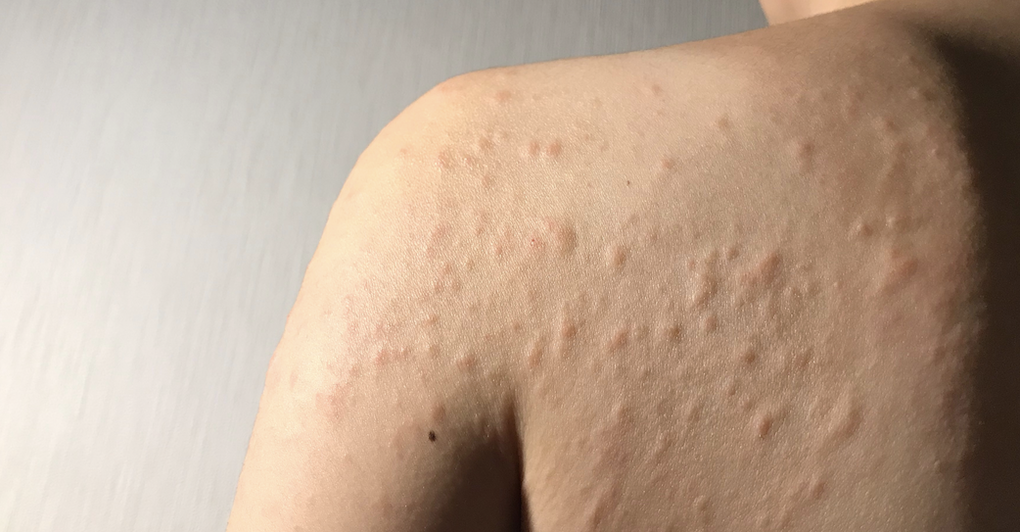
Urticaria is also known as ‘nettle rash’ or ‘hives’. This condition consists of wheals – spots or patches of raised red or white skin – each of which usually clears away in a few hours to be replaced by other fresh wheals. Urticaria is very common and affects one in five people at some point in their lives. The more common type of urticaria rash (hives) lasts up to 24 hours, produces larger wheals and may not completely clear for several days. It sometimes occurs together with swelling of various parts of the body (angioedema) – typically the face, hands, and feet, although anywhere may be affected.
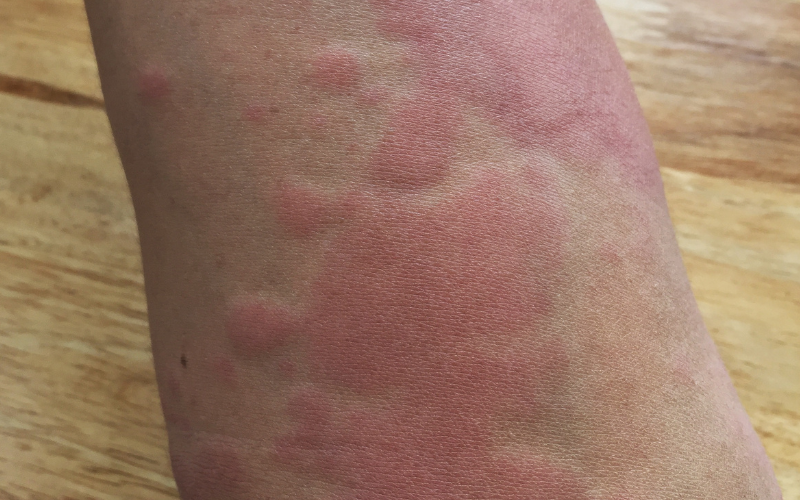
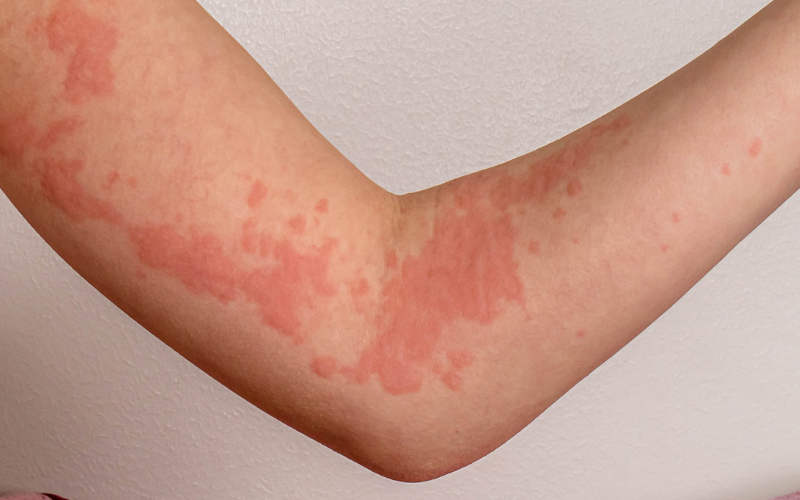
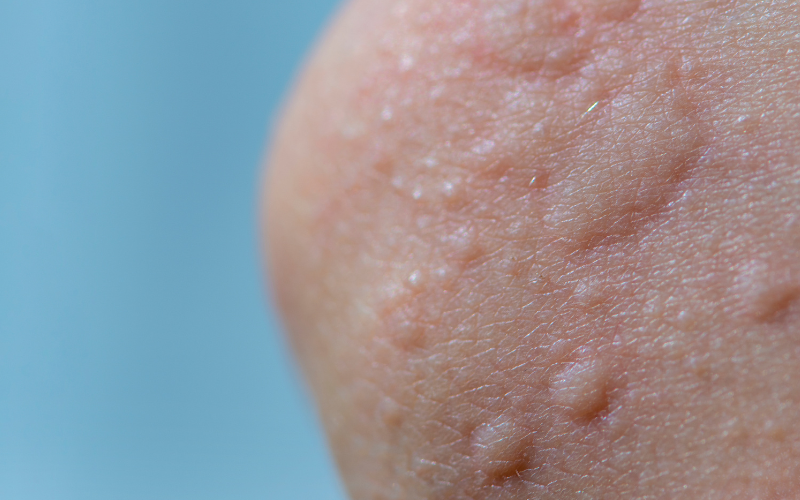
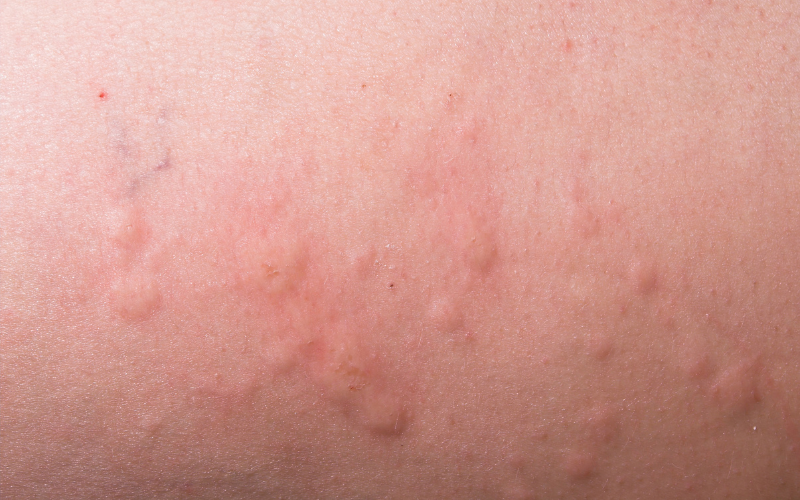
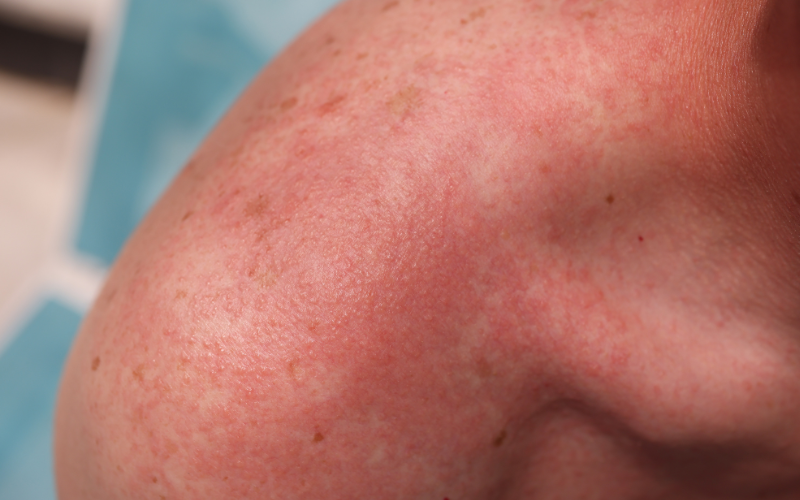
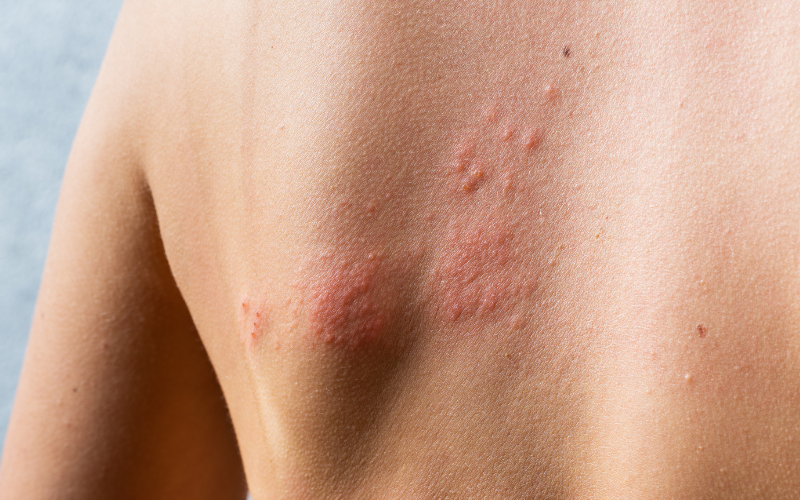
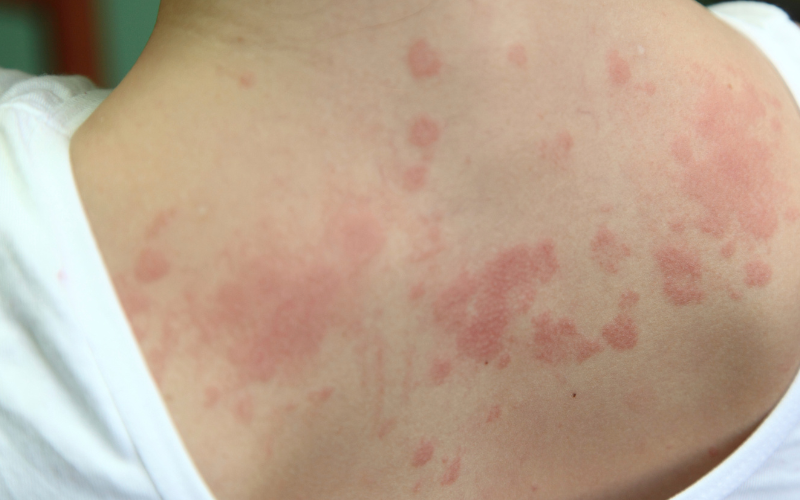
The many different clinical forms of urticaria and they can be divided according to their duration into acute (less than six weeks) and chronic (more than six weeks) and other.
Urticaria can appear suddenly, often without warning. You may wake up one morning to find red, raised welts on your skin, or they may develop rapidly throughout the day. The welts associated with urticaria are usually accompanied by intense itching. This itching can be so severe that it becomes difficult to focus on anything else, and scratching may provide only temporary relief.
The main symptom of hives is an itchy rash and the rash can appear as;
Chronic spontaneous urticaria (CSU) can be diagnosed with a detailed patient history. A GP will usually ask a patient to keep a symptom diary to record any potential triggers in order to exclude or confirm a diagnosis of CSU. It is important to record the onset, duration and course of CSU. The duration of the individual wheals and rash should also be recorded accurately. Any occurrence of angioedema should be noted. Further tests may include evaluations of the skin, blood and urine. If initial treatment is ineffective, GPs should refer patients to see a specialist dermatologist or immunologist for further treatment.
A GP may prescribe menthol cream, stronger antihistamines or steroid tablets. If your urticaria does not go away with treatment, you may be referred to a skin specialist (dermatologist).
Angioedema is another skin allergy and is the name given to deeper swelling affecting the skin over the arms, legs, torso, or face. It may also affect the tongue, mouth, throat and sometimes the upper airway. These swellings commonly last for more than 24 hours, and usually there is no itching. It is not possible to identify an underlying cause for angioedema in the vast majority of cases.
Urticaria and angioedema often occur at different times or together in the same person. They occur in about 15 percent of the population at some time or other in their lives, with women more commonly affected than men.
Allergic angioedema is triggered by an allergic reaction to certain foods, medications, insect stings, or other allergens. It is often associated with hives (urticaria) and can be life-threatening if it affects the throat or airways, leading to difficulty breathing or swallowing.
Symptoms of angioedema typically include swelling, often with redness or warmth in the affected area. The swelling may be accompanied by itching or a burning sensation. In severe cases, particularly when angioedema affects the throat or airways, it can lead to difficulty breathing, swallowing, or speaking, which requires immediate medical attention.
A practical guide to understanding and managing Chronic Spontaneous Urticaria (CSU), including symptoms, diagnosis, treatment options and tips for getting the most from healthcare appointments.

A detailed overview of Chronic Spontaneous Urticaria (CSU), covering current understanding of the condition, potential triggers, treatment pathways and the longer-term impact of living with CSU.
An at-a-glance guide to Chronic Spontaneous Urticaria (CSU), covering key facts, symptom management, common misconceptions and advice on when to seek help.

In this video we meet Sandip, who opens up about her experiences living with CSU and the impact of living with this often-debilitating condition.
Allergy UK has created an educational video to support people with this skin condition and to raise awareness for others suffering without a diagnosis and manageable treatment
It is important to Allergy UK that we can engage with all people that are affected by allergic disease
Join our mailing list